ARTICLE / Ingredients & place
CAI / PEOPLE. PRACTICE. PERSPECTIVE.A place is more than a label
Give an ingredient or regional reference its source, contributor and actual working context.
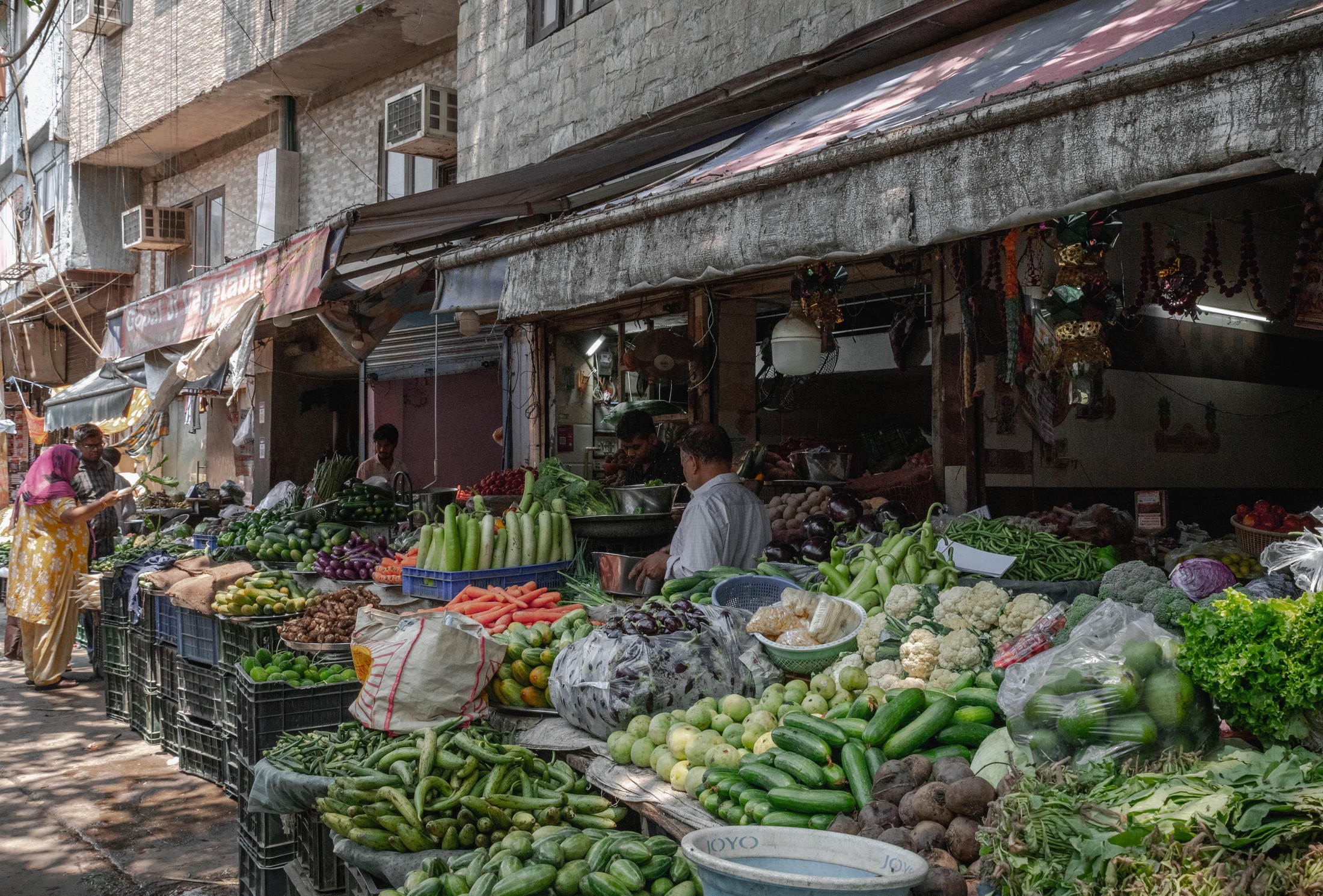
Start with the reference
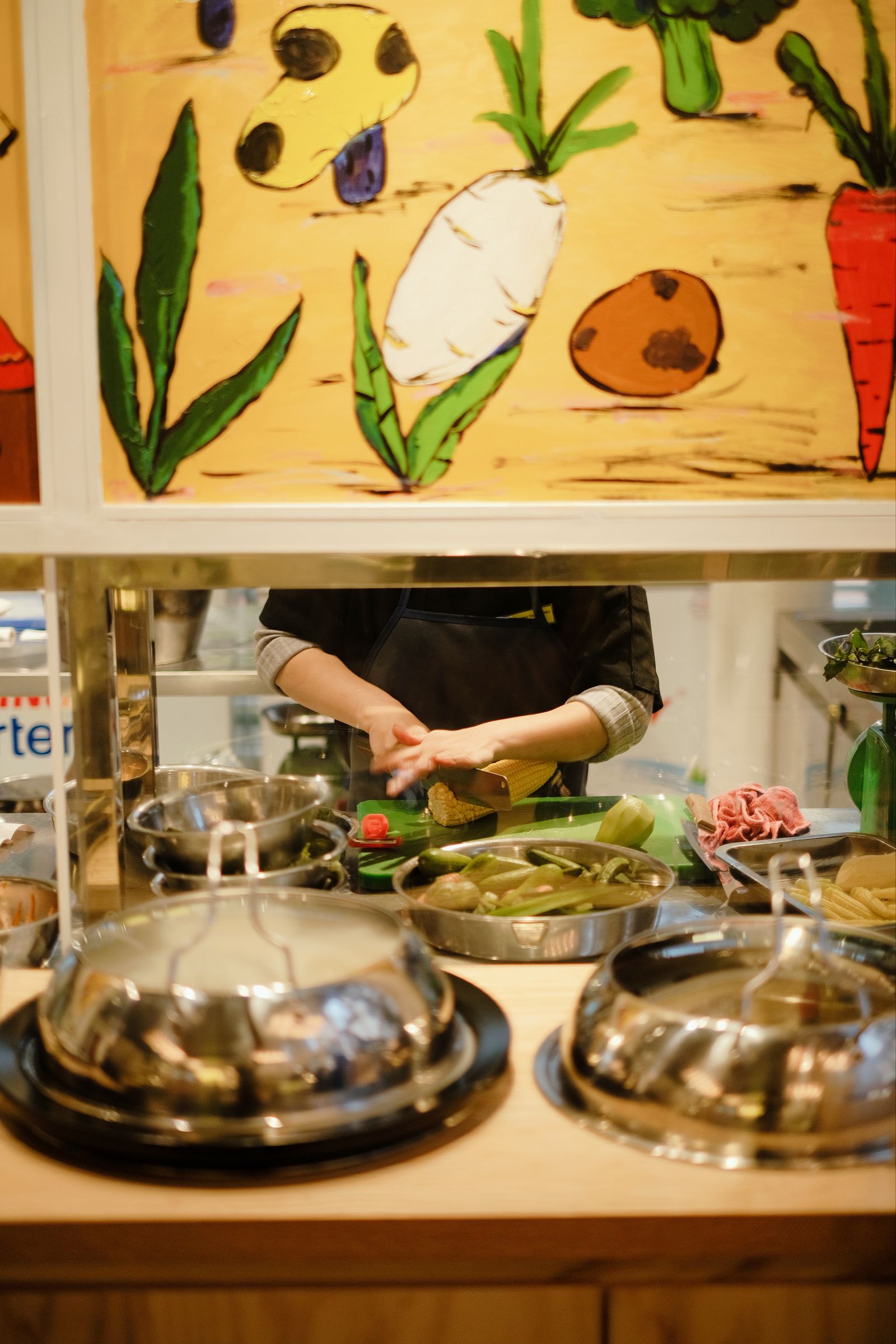
A place name can introduce an ingredient conversation, but it is not a complete account. Ask which particular source, supplier conversation, reading or first-hand experience informs the description. Explain whether you are sharing an observation, interpreting a published source or proposing a question for further research. The distinction helps readers understand what they can take from the contribution.
Name the scope
A market visit or one supplier’s account represents a particular encounter. Describe that encounter without claiming to represent every producer, cook or community associated with the place. A narrow and accurate account can be more useful than a broad claim that cannot be supported. Make the limits of access and experience visible.
Give people their own contribution
If a grower, seller, cook or other practitioner has contributed to the account, agree how that contribution should be described. Ask before quoting or publishing identifying information. A photograph is not evidence that the pictured person endorsed the interpretation. Keep the relationship between the image, the account and the source explicit.
Avoid turning a story into a specification
A conversation about a flavour direction or ingredient reference does not establish an approved ingredient statement for a finished product. Keep practical product information with the responsible producer and the actual offer. A professional discussion can explore meaning and context without making unverified claims about sourcing, dietary suitability or authenticity.
Keep the source trail readable
Record the title or identity of the source and the part of the account it supports. When a reference is incomplete, say so and identify the next question. This lets another reader revisit the material rather than relying only on your summary. Do not combine uncertain fragments into a confident historical or cultural claim.
Return something useful to the exchange
End with a question that invites a specific contribution. You might ask for an original source, a clarification from an authorised contributor or a better description of the limits of the account. That creates room for professional exchange while respecting the people and places whose work gives the subject its context.
Author profile
Named author details and approved public biography await confirmation. This reading is existing original editorial material, not an invented chef interview.
Related articles
A clear professional introductionLearning from another kitchen’s contextRelated event/programme
Professional DevelopmentActual events and programmes require their own confirmed arrangements.