ARTICLE / Collaboration
CAI / PEOPLE. PRACTICE. PERSPECTIVE.Credit belongs in the brief
Make responsibilities, permissions and attribution visible before a collaboration becomes a public story.
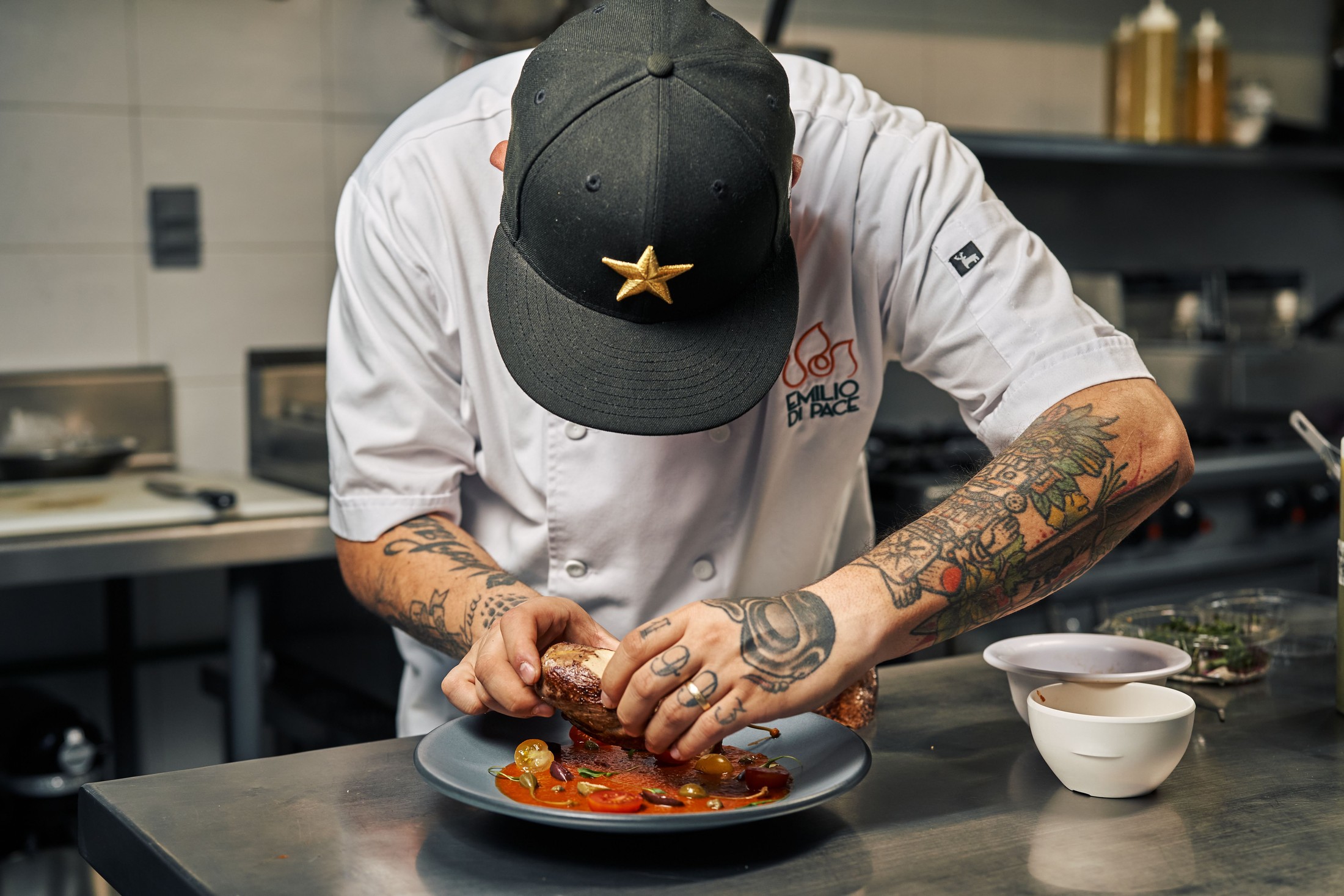
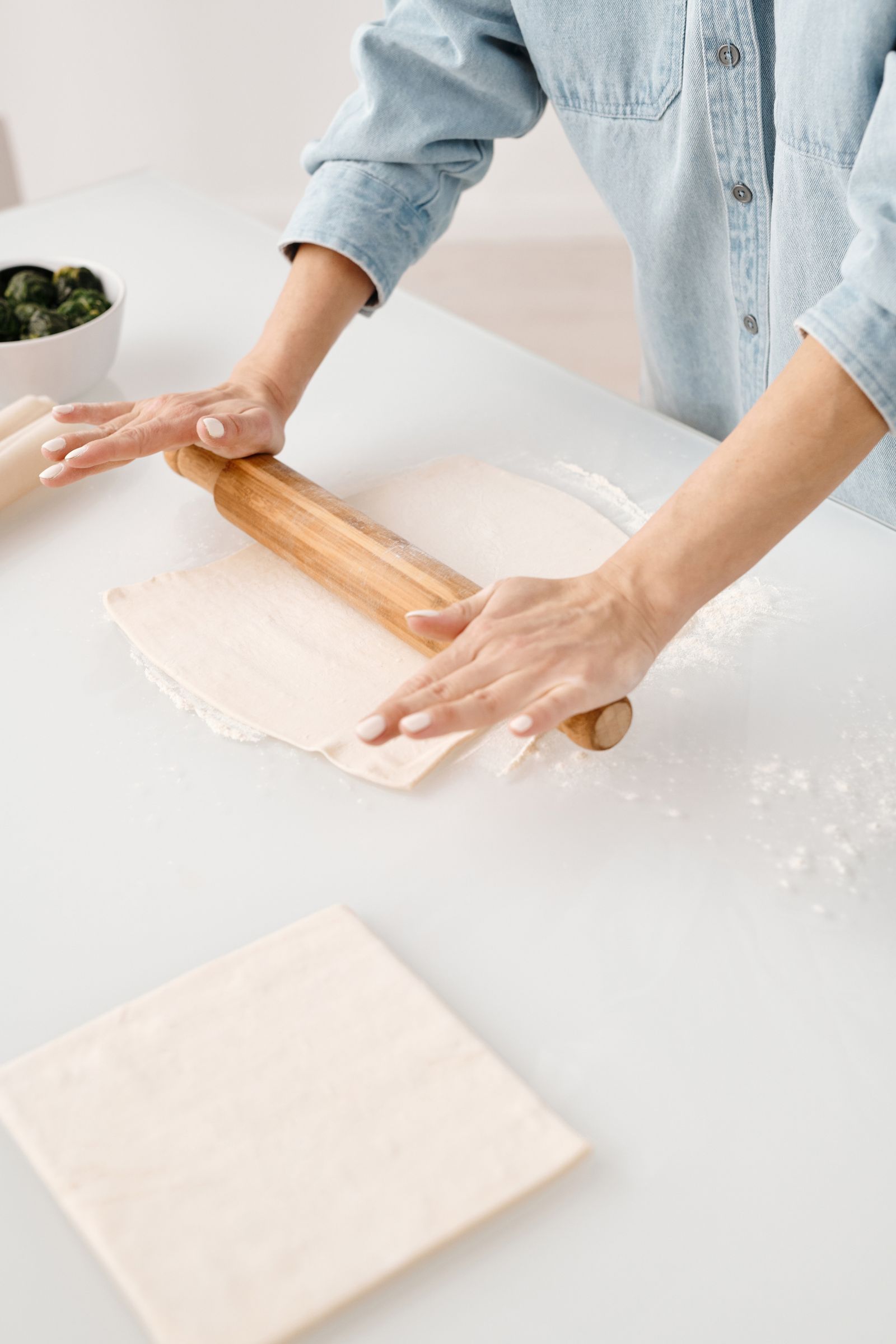
Begin before the finished image
A finished dish or presentation can hide the collaboration behind it. When planning an account of shared work, begin with the purpose of the account and the people whose contributions it involves. A brief can establish what you intend to discuss before a polished image becomes the only explanation of the work.
Describe the contribution
Use concrete descriptions of responsibility. Who developed an idea, who prepared a component, who contributed photography or writing, and who can authorise publication? One person may hold several responsibilities, while another may have a defined contribution. Avoid assuming that appearing in a photograph, being present at a session or holding a senior title establishes authorship of every part.
Agree the audience
A private peer discussion and a public article have different audiences. Explain where the material might appear, the form it may take and whether it could be edited or reused. Give collaborators enough information to make a meaningful decision. If the intended use changes, return to the people involved instead of stretching the original understanding.
Keep evidence beside the account
Maintain the relevant source links, agreed credits and publication permissions with the proposed contribution. These records help the reviewer understand how the account was assembled. They should not be replaced by a vague assurance that everyone is comfortable. Leave private contact details and unnecessary personal records out of a public submission.
Leave room for correction
A contributor may notice that a role has been described inaccurately or that a quotation has lost its context. Plan a clear route for raising that concern with the responsible editor or organiser. A correction should identify the passage and the proposed clarification. Do not present a private disagreement as an association finding.
Publish what was agreed
Before making material public, check the final account against the permissions and credits you actually have. Publication should not quietly imply employer endorsement, an association appointment or a verified credential. A well-scoped contribution can acknowledge collaboration while remaining clear about the limits of what the account establishes.
Author profile
Named author details and approved public biography await confirmation. This reading is existing original editorial material, not an invented chef interview.
Related articles
A clear professional introductionLearning from another kitchen’s contextRelated event/programme
Professional DevelopmentActual events and programmes require their own confirmed arrangements.